
Dubai’s real estate market has always been fast-moving, but advertising regulations, especially the advertiser permit for Dubai real estate, are now changing how properties are promoted online. With the introduction of the UAE Advertiser Permit, real estate companies, brokers, and marketers must rethink how they promote properties online. Social media advertising, influencer campaigns, and even organic promotional posts are now regulated more strictly than ever before.
So, is an advertiser permit required for Dubai real estate? The short answer is yes, and ignoring it can be costly.
This guide explains what the UAE Advertiser Permit is, who needs it, how it differs from other real estate permits, and why compliance is no longer optional in 2026.
The Rise of Advertising Regulations in Dubai Real Estate
Dubai has matured into a global property investment destination. As a result, regulators have focused on increasing transparency, protecting buyers, and eliminating misleading advertisements. In the past, real estate marketing was largely unstructured online. Multiple agents promoted the same listing. Influencers posted property tours without verification. Landing pages remained live even after projects expired.
Today, that environment has changed.
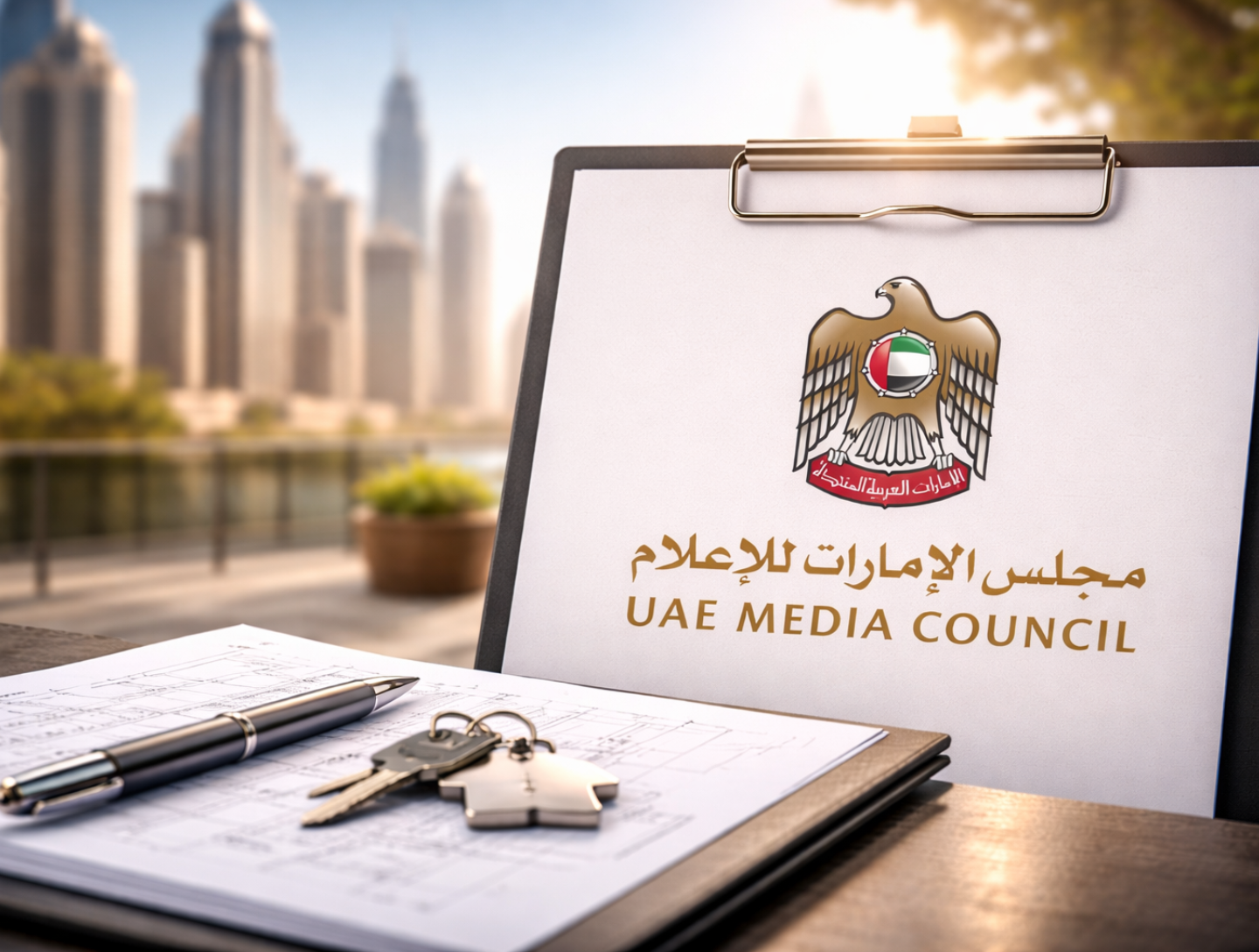
The UAE Media Council has introduced the Advertiser Permit to regulate who is allowed to advertise, especially on digital platforms. At the same time, real estate authorities continue to regulate what is being advertised through property-level permits.
Together, these changes redefine real estate advertising in Dubai.
What Is the Advertiser Permit for Dubai Real Estate?
The UAE Advertiser Permit is an official authorization issued by the UAE Media Council. It applies to individuals and entities that publish advertising content online.
This includes both paid and unpaid promotions.
In simple terms, if you promote a third-party product or service online, you are considered an advertiser. Real estate listings fall directly into this category. The permit aims to regulate digital advertising content, especially on platforms such as Instagram, TikTok, Facebook, YouTube, and similar channels.
What Changed With the Advertiser Permit for Dubai Real Estate?
Previously, advertising regulations focused mainly on companies. Now, the focus has expanded to individuals as well.
As of 2026, any individual posting promotional real estate content must hold a valid advertiser permit. This applies even if the post is organic and not paid.
In addition, the law states that specialized advertisements, such as real estate ads, may require prior approval. This affects campaign planning and timelines. As a result, real estate marketing can no longer be casual or informal.
Who Needs an Advertiser Permit in Dubai Real Estate?
The permit applies broadly across the property marketing ecosystem.
You need an advertiser permit if you are:
- A real estate agent posting listings on personal social media accounts
- A freelancer creating property content for real estate companies
- An influencer hired to promote a project or development
- A marketing agency running property campaigns
- A content creator monetizing real estate-related promotions
You may be exempt if:
- You are an individual promoting your own registered company only, without third-party advertising
However, this exemption area continues to evolve. Therefore, real estate brokerages should not rely on assumptions.
When in doubt, compliance is the safer option.
Why the Advertiser Permit Matters for Real Estate Companies
At first glance, the advertiser permit may seem like another layer of bureaucracy. In reality, it brings several long-term benefits to the real estate industry.
1. Higher Consumer Trust
Fake listings and misleading ads have damaged buyer confidence in the past. Regulated advertising reduces misinformation and improves credibility. When buyers see regulated ads, trust increases.
2. Professional Market Standards
The permit separates serious professionals from casual advertisers. This benefits compliant brokerages and agents. Quality replaces volume.
3. Fair Competition
Clear rules apply to everyone. As a result, unethical marketing practices become harder to sustain.
4. Brand Protection
Working only with permitted advertisers reduces legal and reputational risks. This is especially important for established real estate brands.
This regulatory shift also impacts how developers and brokers market off-plan properties in Dubai, making compliance even more important.
Advertiser Permit vs Madhmoun Permit: Understanding the Difference
Many real estate companies confuse the advertiser permit with the Madhmoun permit. While both relate to advertising, they serve different purposes.
| Criteria | Advertiser Permit | Madhmoun Permit |
| Issued By | UAE Media Council | Local real estate authorities |
| Purpose | Regulates who is advertising | Regulates what is being advertised |
| Applies To | Individuals, influencers, agencies, advertisers | Property listings, banners, landing pages |
| Used For | Social media and digital promotions | Real estate advertisements and listings |
| Verification Requirement | Permit number displayed on profiles or ads | Mandatory QR code for public verification |
Do Real Estate Companies Need Both Permits?
In many real-world scenarios, yes, real estate companies need both permits to advertise legally in Dubai.
This is because real estate advertising is now regulated at two different levels. One focuses on the property. The other focuses on the person or entity promoting it. Ignoring either can lead to non-compliance.
How the Advertiser Permit for Dubai Real Estate Works in Practice
Consider a common example.
A real estate company launches an online campaign for an off-plan project. The campaign includes social media ads, influencer collaborations, and property landing pages.
In this situation:
- The property listing itself must have a valid Madhmoun permit
- The agent, influencer, or marketer posting the content must hold a valid Advertiser Permit
- The permit numbers must be visible where required
If either approval is missing, the entire campaign may be flagged as non-compliant, even if the property is genuine.
In simple terms, approval of the project alone is not enough. Approval of the advertiser is equally important.
Why One Permit Alone Is Not Sufficient
Many real estate companies assume that a property permit automatically covers marketing activity. However, this is no longer the case.
- A Madhmoun permit confirms that the property can be advertised
- An Advertiser Permit confirms that the person advertising is legally authorised
Both are required to protect buyers and ensure accountability across digital platforms. As enforcement increases, authorities are checking both elements together, not in isolation.
The Impact on Real Estate Marketing Strategies
The advertiser permits changes to how marketing campaigns are planned and executed.
Short-term, fast posting strategies no longer work. Instead, structured and compliant systems are required.
Key changes include:
- Slower campaign approvals
- Formal influencer vetting
- Documented content workflows
- Permit tracking and renewals
While this adds effort, it also improves long-term marketing quality.
Penalties for Advertising Without an Advertiser Permit in Dubai Real Estate
Dubai has moved beyond awareness campaigns. Active enforcement is now in place, and penalties are already being issued across digital platforms.
Advertising property without the required advertiser permit can trigger serious consequences for both individuals and companies.
Potential Consequences Include:
- Removal of social media posts and paid ads
Platforms may take down content immediately once a violation is identified. - Suspension or restriction of social media accounts
Repeat violations can lead to limited reach or full account suspension. - Financial fines starting from AED 10,000
These fines can increase depending on the severity and frequency of the violation. - Legal action against individuals or companies
Both the advertiser and the brokerage may be held responsible. - Damage to brand reputation
Non-compliance signals unprofessional conduct to investors and buyers. - Risk to RERA licensing for brokerages
Continued violations can affect long-term operational approvals.
In today’s regulated environment, yes, an advertiser permit is often required for Dubai real estate advertising.
Whether you are an agent, influencer, or marketing agency, compliance is no longer optional. It is a core part of professional real estate operations.
While the permit introduces additional steps, it also raises industry standards. Over time, this benefits serious players who value credibility, transparency, and long-term growth.
Dubai’s real estate market continues to evolve. Those who adapt early will lead the next phase of property marketing in the UAE.





 WhatsApp