Dubai’s real estate market is entering a defining phase, making the Emaar vs Nakheel Dubai comparison more relevant than ever. Between 2026 and 2028, several large-scale master communities will reach handover, reshaping supply, infrastructure maturity, and long-term investment opportunities.
Infrastructure will mature, and price discovery will accelerate. For investors, the real question is no longer whether to invest in Dubai; instead, it’s which developer aligns best with your investment goal.
Two names dominate every serious conversation: Emaar and Nakheel. Both are government-backed master developers and have shaped Dubai’s skyline. However, they create value in very different ways. Understanding this difference is critical to positioning your portfolio correctly for capital appreciation, rental yield, or long-term wealth creation in 2026.
Why Developer Strategy Matters in Emaar vs Nakheel Dubai
Dubai’s real estate market has evolved. Quick flips and short-term speculation no longer drive growth. Instead, the next cycle is built on stronger fundamentals.
First, infrastructure across Dubai is reaching completion. Roads, bridges, metro links, beaches, and lifestyle zones are now fully operational in many communities. This improvement directly enhances livability and long-term value.
Second, lifestyle-led communities are shaping buyer demand. Investors and end users increasingly prefer areas that offer walkability, beaches, retail, and experiences. As a result, well-planned master communities outperform isolated projects.
In addition, brand-backed developments matter more than ever. Global investors prefer trusted names with a proven delivery record. Strong developer brands reduce risk and protect resale value.
Finally, Dubai continues to attract long-term end users and international buyers. These buyers focus on stability, rental income, and steady appreciation. Therefore, fast exits are no longer the primary goal.
This is exactly where Emaar and Nakheel diverge. They are not competitors in the traditional sense. Instead, each serves a different investor mindset, risk profile, and investment strategy. Recognizing this difference is essential for anyone planning to invest in Dubai’s real estate market in 2026.
Key growth drivers in the next cycle include:
- Infrastructure completion
- Lifestyle-led communities
- Brand-backed demand
- Long-term end users and global investors
Why Emaar Is a Fail-Safe Choice in Emaar vs Nakheel Dubai
When people think of Dubai real estate, Emaar often comes to mind, and for good reason. The developer has shaped some of Dubai’s most iconic destinations, including Downtown Dubai, Burj Khalifa, Dubai Mall, Dubai Hills Estate, Arabian Ranches, City Walk (in partnership zones), and major extensions across Dubai Marina.
However, Emaar’s strength goes beyond landmarks. Its real advantage lies in building complete, self-sustaining communities. The focus on infrastructure, connectivity, and long-term livability helps protect property values and ensures steady appreciation over time.
Consequently, Emaar developments are often seen as fail-safe investments. They attract both end users and international investors who value stability, brand trust, and long-term growth.
What Makes Emaar a Strong 2026 Investment
Emaar focuses on mainland developments built to last. These projects are infrastructure-heavy and designed to absorb market cycles rather than react to them.
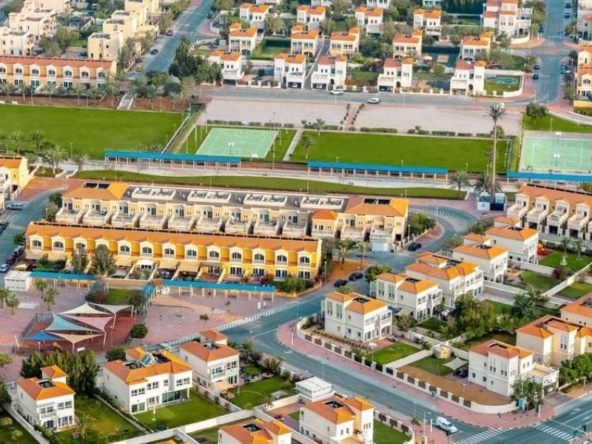
One key reason is scale. Emaar develops large, master-planned communities rather than isolated buildings. This control over the overall environment ensures long-term value. Every project includes strong internal infrastructure, such as schools, parks, retail zones, road networks, and community facilities. These features make the areas attractive to both end users and tenants.
Another important factor is brand trust. Emaar enjoys strong credibility among international investors, which supports resale liquidity and keeps demand stable even during slower market phases.
Rental performance is consistent as well. Emaar communities typically attract long-term tenants, providing reliable rental income over time.
Although large-scale development means unit designs may not feel boutique, the trade-off is security, consistency, and predictability. That’s why Emaar projects often act as safe-haven assets during market corrections.
Key characteristics of Emaar developments:
- Large master-planned communities
- Strong internal infrastructure (schools, parks, retail, roads)
- High brand trust among international investors
- Strong resale liquidity
- Reliable long-term rental demand
Emaar Investment Profile (2026)
Emaar is ideal for investors who prefer low-risk approaches. These buyers typically look for steady appreciation rather than aggressive short-term gains. They also value strong exit liquidity, which makes it easier to resell when market conditions are favorable.
Emaar investors usually embrace a buy-to-hold strategy. Demand in Emaar communities is largely driven by end users, not speculators. This helps stabilize prices and reduce volatility.
Emaar suits investors who:
- Prefer low risk with steady appreciation
- Want strong exit liquidity
- Are you comfortable with buy-to-hold or end-user-driven demand
- Value brand assurance over ultra-luxury detailing
Looking ahead to 2026, areas such as Rashid Yachts & Marina, Dubai Hills Estate, and City Walk proximity zones are expected to benefit from infrastructure completion and community maturity, rather than speculative hype. As a result, Emaar handovers in these areas are positioned for stable growth and long-term value creation.
How Nakheel is Vision-Driven with Scarcity-Based Investments
Nakheel operates very differently. While Emaar focuses on stability, Nakheel builds vision.
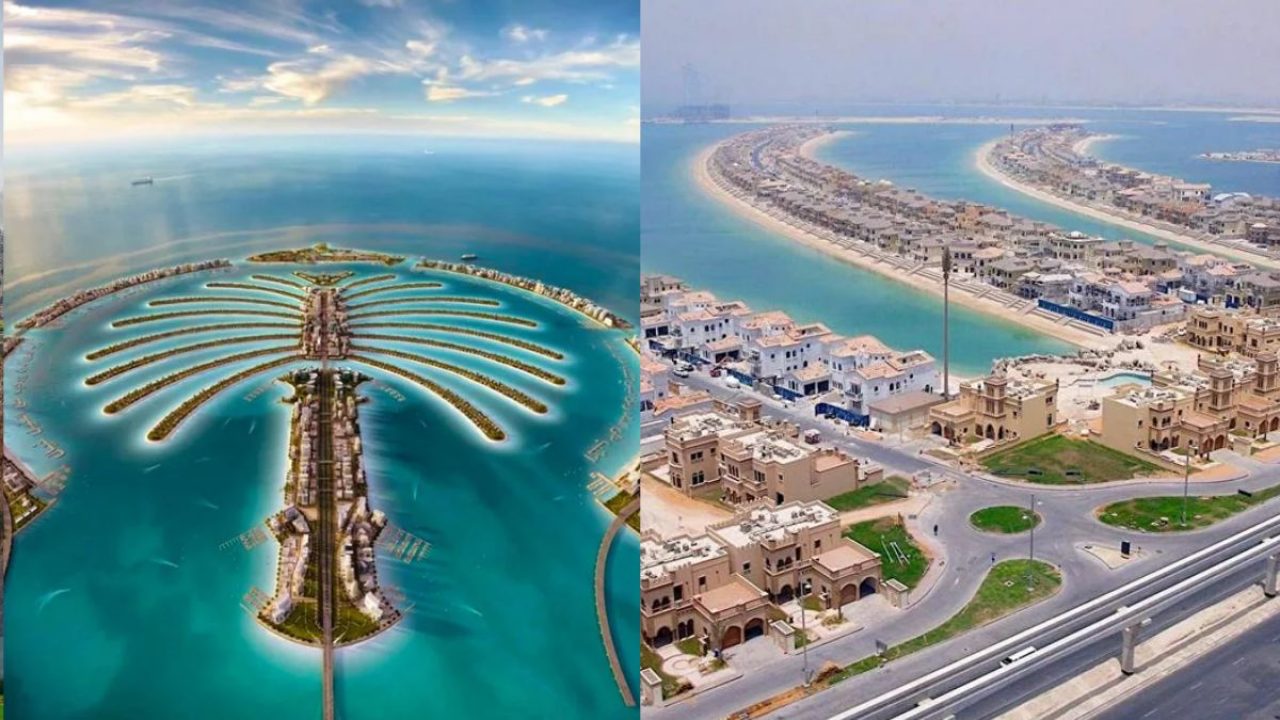
Nakheel is the master developer behind Palm Jumeirah, one of the most successful real estate experiments in global history. Certain Palm segments have seen appreciation exceeding 300%, an extraordinary achievement on such a scale.
Unlike many developers, Nakheel has never prioritized the mainland. Instead, its strategy focuses on land creation, waterfront expansion, and ultra-scarce assets. These projects are lifestyle-led and difficult to replicate, making scarcity a key driver of long-term value.
Why Nakheel Is a Long-Term Investment Vision in 2026
Nakheel developments typically take time to mature. However, once they do, they deliver exceptional returns.
Iconic projects include:
- Palm Jumeirah
- Dubai Islands (formerly Palm Deira)
- Waterfront-centric communities
- Jumeirah Village Circle (JVC), an early-stage mainland development
Nakheel attracts long-term thinkers, entrepreneurs, and vision-driven buyers. These investors are comfortable holding through development phases. Nakheel properties are not ideal for quick flips. Their true value emerges only when infrastructure, retail, beaches, and hospitality are fully operational, usually post-handover.
Nakheel’s waterfront strategy aligns closely with demand for waterfront properties in Dubai.
Nakheel investors are typically:
- Long-term thinkers seeking sustained growth
- Entrepreneurs targeting high-potential assets
- Vision-driven buyers who value innovation and lifestyle
- Investors who are comfortable holding through activation phases
Nakheel Investment Profile (2026)
Nakheel is perfect for investors seeking high appreciation potential and who value scarcity and innovation. Its projects appeal to those willing to hold assets long-term and who prefer waterfront, lifestyle-led communities. Nakheel developments often attract international buyers, particularly from European markets.
With Dubai Islands, Palm Jebeli, and other coastal expansions coming online between 2026 and 2028, Nakheel is poised for its next wave of appreciation. This makes it a compelling choice for vision-driven, long-term investors.
Nakheel suits investors who:
- Want high appreciation potential
- Believe in scarcity and innovation
- Are comfortable holding assets longer
- Prefer waterfront and lifestyle-led demand
- Target international buyers (especially European markets)
Emaar vs Nakheel Dubai: A Clear Comparison for Investors
Choosing between Emaar and Nakheel is not about finding the “better” developer. Instead, it’s about understanding the role each plays in your portfolio.
Emaar offers brand-driven liquidity, mainland infrastructure advantages, safer entry points, consistent resale demand, and reliable rental performance. Its projects suit investors seeking stability and predictable returns.
Nakheel focuses on scarcity and vision-driven growth. Its strengths include waterfront scarcity, innovation-led appreciation, lifestyle premium, long-term wealth creation, and unique assets that cannot be replicated. Nakheel projects work best for investors willing to hold long-term and capitalize on high-value properties.
Many successful portfolios combine both: Emaar for security, Nakheel for upside potential. Understanding this balance helps investors build a portfolio combining stability, liquidity, and high-growth opportunities.
What Investment Strategy can be used from 2026 to 2030
In the coming property cycle in Dubai, smart investors are no longer choosing only one developer.
Instead, they are building balanced portfolios that combine the steady performance of Emaar Properties with the higher long-term growth potential of Nakheel.
Recent market trends show a clear difference in investment style.
Emaar properties usually provide stable rental income, strong resale demand, and lower risk. Because of this, they are often used as the core holding in a portfolio.
Nakheel projects, especially waterfront and island communities, may take longer to mature. However, they offer stronger capital appreciation once infrastructure and lifestyle features are complete. This makes them suitable as a growth position for long-term investors.
For 2026 to 2030, the most effective strategy is not choosing one over the other.
The best results usually come from combining stability and growth in the same portfolio. This approach protects income today while creating higher upside for the future.
| Portfolio Role | Developer Focus | Purpose | Expected Outcome |
| Core Holding (60–70%) | Emaar mature communities | Stable rental income and strong resale liquidity | Consistent 6–8% net yields with lower risk |
| Growth Allocation (30–40%) | Nakheel waterfront and island projects | Long-term capital appreciation and scarcity value | Higher overall return potential over time |
| Balanced Strategy | Mix of both developers | Income stability + future upside | Strong risk-adjusted returns across the cycle |
Conclusion
In 2026, Dubai’s real estate market rewards investors who focus on developer strategy rather than chasing trends. Emaar provides stability, strong resale demand, and reliable rental performance, making it ideal for buy-to-hold and end-user-focused portfolios.
Nakheel, by contrast, offers scarcity-driven, lifestyle-led assets with long-term wealth creation potential, especially in waterfront and coastal communities. The smartest portfolios often combine both: Emaar for security and Nakheel for upside. By aligning investment goals with each developer’s strengths, investors can confidently navigate Dubai’s evolving market and position themselves for sustainable growth and appreciation.


 WhatsApp