

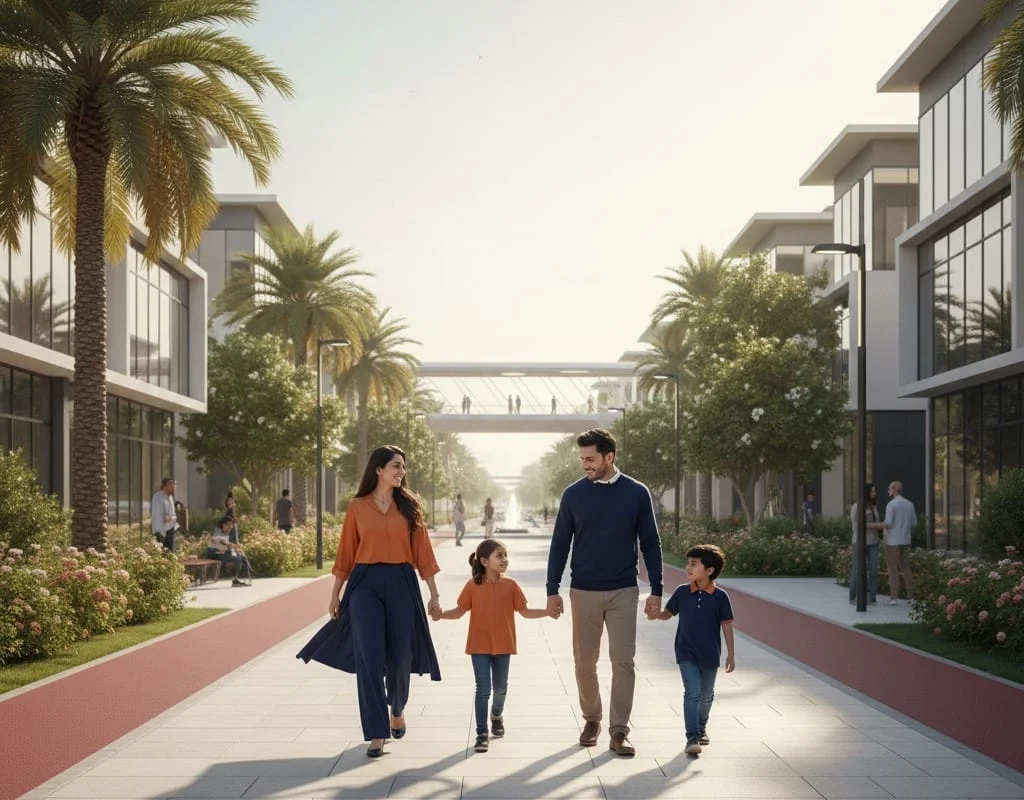
Dubai is known for its modern roads, fast transport, and car‑centric lifestyle. But recently, a new trend has been rising across the city: walkable communities in Dubai, car‑free communities designed for healthier, more convenient, and community‑focused living. As more residents look for balance, wellness, and simplicity, these pedestrian‑friendly communities are becoming some of the most in‑demand places to live in 2026.
This shift is not just a design trend. It reflects a deeper change in how people want to live, move, and connect with their surroundings. Families, young professionals, long‑term residents, and even investors are now prioritizing walkability as a key factor when choosing a home.
Below is a detailed look at why walkable neighborhoods are gaining popularity in Dubai and how they are shaping the future of urban living in the UAE.
Why Walkable Communities in Dubai Promote Healthier Living
More residents in Dubai are choosing communities that support a healthier lifestyle. Walkable neighborhoods naturally encourage movement, outdoor time, and physical activity without requiring extra effort.
People can walk to:
- Parks
- Community centers
- Fitness areas
- Retail outlets
- Cafés and restaurants
This approach makes it easier to stay active throughout the day. Instead of driving everywhere, residents can simply step outside and walk. For families, this lifestyle is especially appealing because children can enjoy safe outdoor spaces and develop healthy habits early on.
Convenience and Time Saving Benefits of Walkable Communities in Dubai
In a fast‑moving city like Dubai, convenience is a major priority. Walkable neighborhoods offer simple access to daily essentials, reducing the need for short car trips.
Residents can reach:
- Supermarkets
- Pharmacies
- Schools
- Clinics
- Gyms
- Play areas
all within a few minutes of walking.
This saves time, reduces stress, and makes daily routines smoother. In areas where traffic can be unpredictable, the ability to walk instead of drive is a major advantage. Many residents now prefer communities where they can complete most tasks without relying on a car.
Many buyers exploring properties for sale in Dubai are now prioritising walkability and community design.
Safer, Cleaner, and More Peaceful Environments
Car‑free zones create a calmer and more peaceful living environment. Without constant vehicle movement, neighborhoods become quieter, cleaner, and safer for everyone.
Residents enjoy:
- Lower noise levels
- Cleaner air
- Less traffic congestion
- Safer streets for children
- More comfortable walking paths
This environment is ideal for families, retirees, and long‑term residents who value comfort and safety. Many new developments in Dubai now feature car-free internal zones, restricting vehicles to the outer edges of the community.
Strong Demand for Community‑Focused Living
Walkable neighborhoods naturally encourage social interaction. When people walk instead of drive, they engage more with their surroundings and with each other.
Residents often meet in:
- Parks
- Courtyards
- Outdoor cafés
- Community plazas
- Walking trails
Such design creates a stronger sense of community and belonging. For many expats, this is especially valuable because it helps them feel more connected and settled in Dubai.
Developers are now designing communities with shared spaces that encourage interaction, making walkability a core part of modern community planning.
Sustainability and Eco‑Friendly Urban Planning
Dubai’s sustainability goals are shaping the design of new communities. Walkable neighborhoods support these goals by reducing car dependency and promoting greener lifestyles.
Benefits include:
- Lower carbon emissions
- Reduced fuel consumption
- More green spaces
- Better air quality
- Eco‑friendly community layouts
Developers are integrating sustainability into master plans, making walkability a standard feature rather than an optional one. Buyers are also becoming more aware of the environmental impact of their housing choices, making eco‑friendly communities more desirable.
The Influence of Global Urban Trends
Cities around the world are shifting toward walkable, human‑centric design. Concepts like:
- 15‑minute cities
- Car‑free districts
- Mixed‑use developments
- Pedestrian‑first planning
are becoming global standards. Many Dubai residents, especially expats, are familiar with these trends and prefer similar environments locally.
Dubai’s new developments reflect these global ideas, offering modern, walkable communities that match international expectations.
New Dubai Communities Designed for Walkability
Several of Dubai’s newest and most popular communities prioritize walkability. These neighborhoods offer wide pedestrian paths, shaded walkways, cycling tracks, and easy access to retail and leisure spaces.
Popular Walkable Communities in Dubai
Dubai Hills Estate
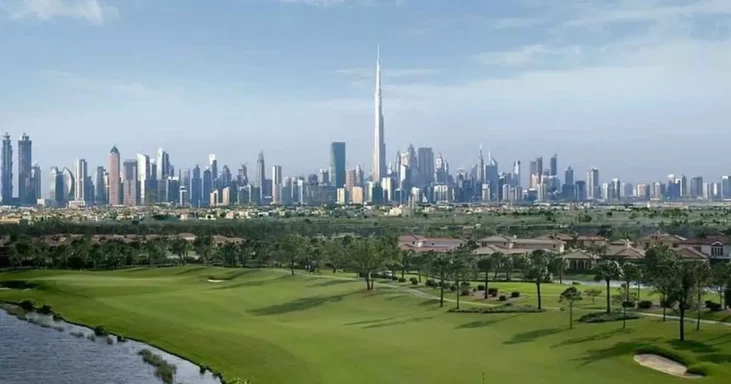
A master‑planned community with parks, schools, retail, and walking trails. Residents can walk to the mall, cafés, and community facilities.
Expo City Dubai
A fully pedestrian‑friendly district with shaded walkways, green spaces, and car‑free zones. Designed for sustainability and active living.
Jumeirah Lake Towers (JLT)
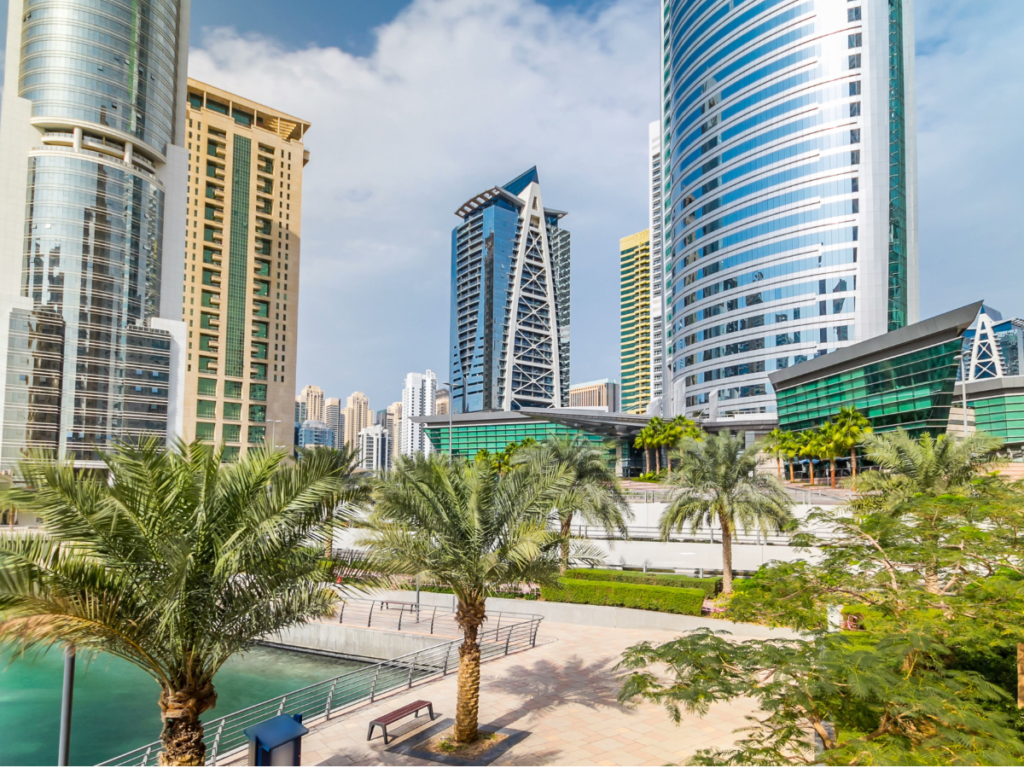
Known for its walkable lakeside paths, community parks, and easy access to restaurants and retail outlets.
City Walk
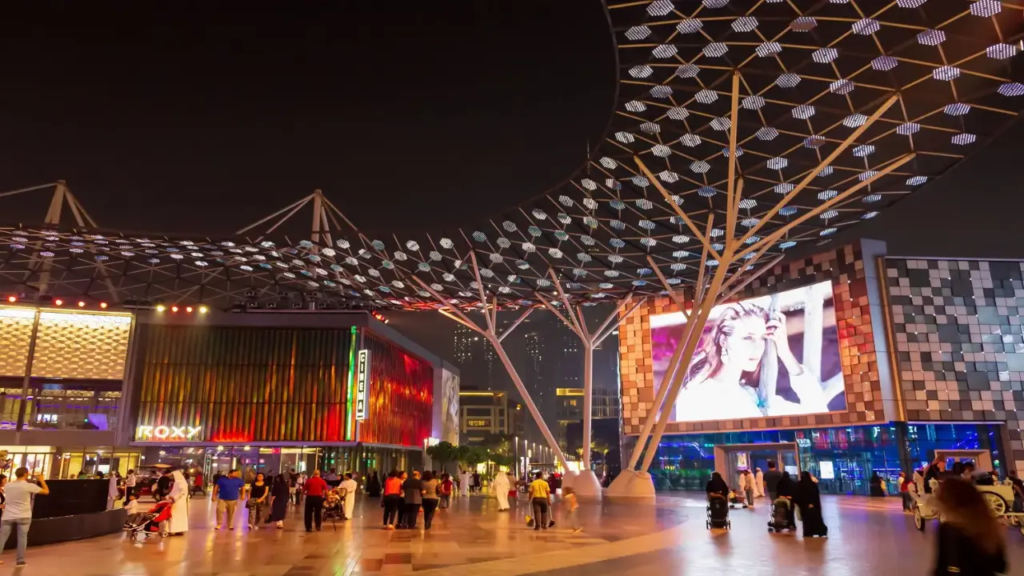
A modern, urban neighborhood with wide pedestrian boulevards, retail streets, and community spaces designed for walking.
Dubai Creek Harbour
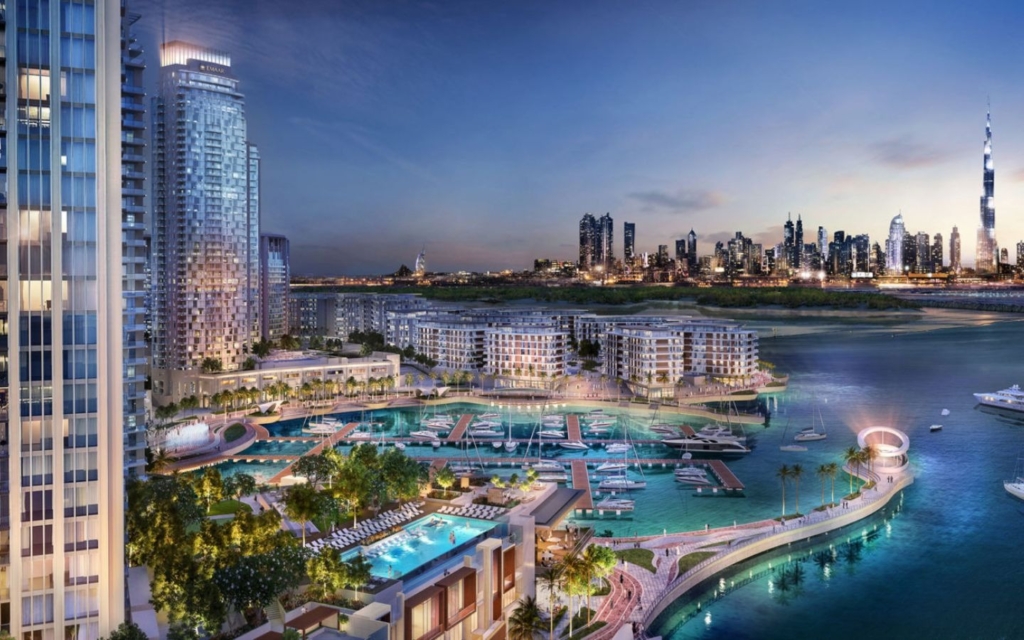
A waterfront community with promenades, parks, and walkable retail areas. These communities show how walkability is becoming a core feature of Dubai’s future urban planning. Many new off-plan projects in Dubai are now designed with walkability as a core feature.
Better Quality of Life for Residents
Walkable neighborhoods offer a lifestyle that feels more relaxed, balanced, and connected. Residents enjoy:
- More outdoor time
- Less reliance on cars
- A stronger sense of community
- Healthier routines
- Safer environments for children
- More meaningful daily interactions
This combination creates a higher quality of life, which is why walkable communities are becoming some of the most desirable places to live in Dubai.
Final Thoughts
Walkable, car‑free neighborhoods are shaping the future of residential living in Dubai. As residents prioritize health, convenience, sustainability, and community, these pedestrian‑friendly areas are becoming more popular than ever. Developers are responding by designing communities that support active, connected, and eco‑friendly lifestyles.
FAQS
It’s a lifestyle focused on walking, cycling, and easy access to daily amenities.
They promote health, convenience, and sustainability while reducing traffic and pollution.
Dubai Hills Estate, Expo City Dubai, City Walk, JLT, and Dubai Creek Harbour.
Yes, they offer parks, schools, and safe pedestrian zones.
Absolutely. They lower emissions and encourage greener habits
Modern designs include shaded paths and indoor access for comfort.
Prices vary, but demand is rising due to lifestyle and location benefits.
Yes, most are connected to metro stations, bus routes, or community shuttles.
Yes, demand is rising, and these areas attract long‑term tenants.
Almost always. Most include cafés, supermarkets, gyms, and community shops.




 WhatsApp