

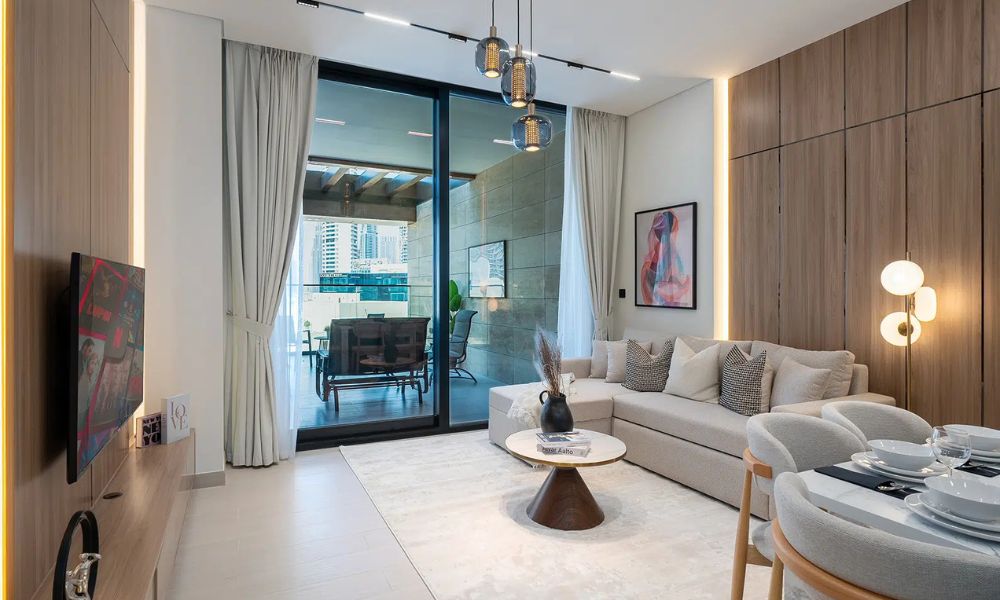
Starting a short-term rental business in Dubai can be an option for property owners who want to earn income from furnished apartments or villas. Tourists, business travellers and families often look for accommodation that offers more space and flexibility than a traditional hotel. However, running a holiday home involves more than furnishing a property and listing it online. You need to check whether the property is eligible, obtain the required permits and understand the costs of managing guests.Whether you already own a property or plan to buy one, it is important to understand the process before investing. Location, building rules, rental demand and ongoing expenses all affect whether a property is suitable for short-term letting.
Choosing a Property for a Short-Term Rental Business in Dubai
Location plays an important role in short-term rental demand. Downtown Dubai and Business Bay attract visitors seeking proximity to business districts and attractions, while Dubai Marina and Palm Jumeirah appeal to guests looking for waterfront stays. Before buying, compare similar properties, nightly rates, guest reviews, service charges and building restrictions.
Check Property Eligibility
Confirm that the property qualifies for holiday-home use under Dubai’s Department of Economy and Tourism (DET) rules. Some properties may have restrictions. If you plan to sublet, obtain the landlord’s written permission and check whether developer or building approval is required.
Understand the Permit Process
Each property needs the required DET holiday-home permit before being advertised or rented. Eligible individual owners can generally register up to eight of their own units, while managing properties for other owners may require a licensed company.
Documents may include:
- Title deed or accepted ownership document.
- Owner’s passport or Emirates ID.
- Current DEWA bill.
- Required landlord or developer approvals.
- Company or property management documents, where applicable.
Apply through DET, complete the required checks and display the permit once approved. Renew it on time and meet safety requirements.
Short-Term Rental Costs, Income and Management
Starting a short-term rental business in Dubai involves registration, furnishing and ongoing operating expenses. Your total cost depends on the property and how you plan to manage it.
Short-Term Rental Costs
| Cost category | What to include |
| Registration and permit | DET and applicable government fees |
| Property preparation | Furniture, appliances and linen |
| Operating costs | Utilities, cleaning and maintenance |
| Booking and management | Platform commissions and management fees |
| Property expenses | Service charges, rent or mortgage |
| Compliance | Insurance and permit renewals |
Check the latest DET fees before setting your budget, and keep extra funds for repairs and periods without bookings.
Estimate Rental Income
When estimating rental income, compare similar properties and consider their facilities, guest reviews, nightly rates and expected bookings throughout the year. Prices and demand can change during holidays, major events and quieter periods, so allow for vacant nights. Include expenses such as cleaning, utilities, maintenance, platform fees, insurance, permits, management charges and any applicable service charges, rent or mortgage payments. Then compare the estimated income after expenses with what the property could earn through a long-term rental. Short-term letting may bring higher income during busy periods, but bookings can be unpredictable and the property usually requires more active management.
Before deciding whether to rent your property short-term or long-term, Property Valuation Services in Dubai may help you assess its market value as part of your investment planning.
Manage Guests and Daily Operations
Once approved, you must manage daily operations, cleaning and maintenance while complying with DET’s holiday-home regulations.
If you prefer not to handle guest communication, cleaning coordination and routine maintenance yourself, our Property Management Services in Dubai can help you explore professional support for your property.
- Tourism Dirham Fees: The rate is AED 10 per bedroom per night for Standard homes and AED 15 per bedroom per night for Deluxe homes. Payments must reach DET by the 15th of the following month.
- Guest Registration: Record guest check-ins and check-outs in the DET Holiday Homes system within the required three-hour timeframe.
- Insurance and Taxes: Maintain comprehensive insurance covering damage sustained by guests. VAT registration is generally mandatory when taxable supplies and imports exceed AED 375,000 over the previous 12 months, or are expected to exceed this threshold in the next 30 days.
- Operational Records: Keep accurate records of bookings, rental income, expenses, permit fees and maintenance.
How Milestone Homes Real Estate Can Help
Choosing a property for short-term rental investment involves more than comparing purchase prices. Location, building restrictions, holiday-home eligibility, operating expenses and rental demand all need to be considered before making a decision.Milestone Homes Real Estate can help you explore properties based on your budget, preferred location, property type and investment goals. Comparing these factors with the likely costs can help you decide whether a property fits your plans.
FAQs
Yes. You need the required DET holiday-home permit before advertising or operating an eligible property for short stays
This may be possible if you have the landlord’s written permission and meet the relevant tenancy, property and DET requirements. Confirm the conditions before signing an agreement.
The cost depends on the application route and property details. Registration charges and unit permit fees may be separate, so check the current DET fee schedule before applying.
Eligible individual owners can generally register up to eight of their own units under the applicable rules. Managing properties for other owners may require an appropriately licensed company.
Downtown Dubai, Business Bay, Dubai Marina and Palm Jumeirah attract different types of visitors. Suitability depends on the specific property, building rules, expenses and rental demand
Not always. Short-term rentals may earn more during busy periods, but cleaning, utilities, maintenance, platform fees and vacant nights can reduce the overall return.
Yes. Applicable Tourism Dirham charges must be collected and paid according to DET’s rules and deadlines.
Eligible owners can manage their own registered units if they meet the applicable requirements. Cleaning, maintenance and other tasks can also be outsourced to suitable service providers.





 WhatsApp