
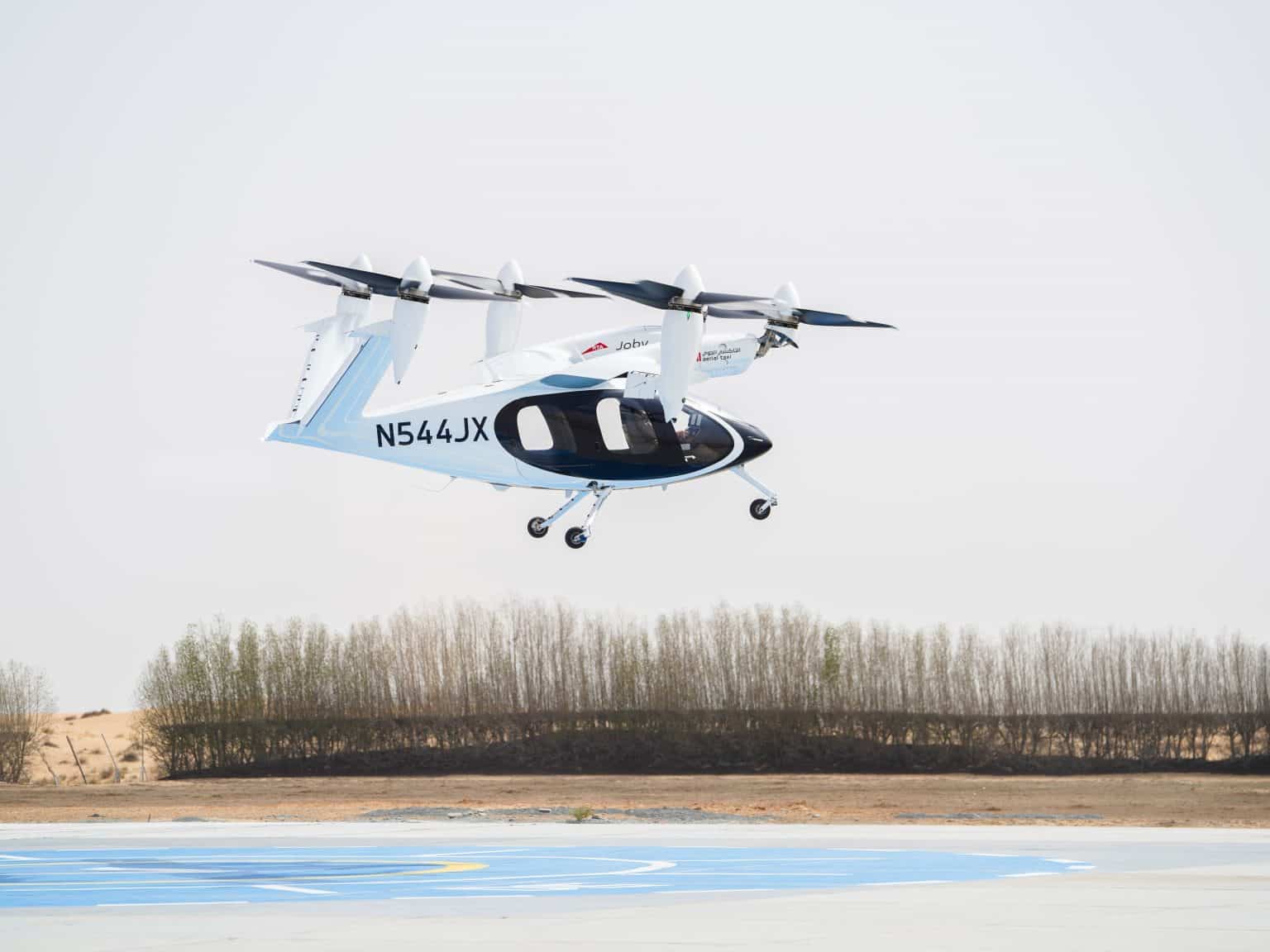
Dubai has completed the world’s first flying taxi station, marking a major milestone in the city’s transport development. The new vertiport, located near Dubai International Airport, is designed to support electric air taxis and offer fast, clean, and efficient travel across key destinations in the city. Moreover, this project reflects Dubai’s long‑term vision to build a modern, connected, and future‑ready mobility network. The station is the first of four planned locations that will form a complete air mobility corridor across Dubai.
In this blog, we are explaining why Dubai built the flying taxi station and how it will change the way people move across the city.
Dubai Flying Taxi Station Transport System
The flying taxi station is built for eVTOL (electric vertical takeoff and landing) aircraft. These aircraft can take off without a runway, making them suitable for dense urban areas where space is limited. Additionally, their compact design allows them to operate in locations where traditional aircraft cannot, opening the door to a new category of urban mobility.
Dubai’s first vertiport is now ready, and the remaining stations will be located in the following:
- Downtown Dubai
- Palm Jumeirah
- Dubai Marina
Together, these stations will create a connected network that reduces travel time between major districts.
Inside Dubai Flying Taxi Station
The layout focuses on safety, comfort, and quick movement. As a result, passengers will be able to board and exit the aircraft within minutes, without long airport‑style procedures. The design also supports high passenger flow, ensuring that the station can handle daily operations efficiently. In addition, the new station is designed to offer a smooth and simple passenger experience. It includes:
- A four-story building
- 3,100 sq. metres of built-up area
- Two takeoff and landing pads
- A two‑level car park
- Charging systems for electric aircraft
- Climate‑controlled waiting areas
- Capacity for 170,000 passengers per year
The layout focuses on safety, comfort, and quick movement. Passengers will be able to board and exit the aircraft within minutes, without long airport‑style procedures.
How Flying Taxis Will Improve Travel Time
Flying taxis will reduce travel time across the city in a way that has never been possible before. Instead of spending long periods in traffic or navigating busy roads, passengers will be able to move between major destinations in just a few minutes.
For example:
- Airport to Palm Jumeirah: Around 10–12 minutes
- Airport to Downtown: A few minutes
- Airport to Dubai Marina: Much faster than the 45‑minute car journey
Furthermore, Joby Aviation, a leading eVTOL manufacturer, will operate the service. Each aircraft will carry one pilot and four passengers, offering fast and emission‑free travel.
Why Dubai Is Leading This Innovation
Dubai is the first city in the world to complete a fully operational flying taxi station. Overall, this achievement reflects the city’s focus on:
- Smart mobility
- Clean energy
- Modern infrastructure
- Long‑term transport planning
Therefore, the project supports Dubai’s goal of building a multi-level transport system that includes a metro, buses, shared mobility, and now air mobility.
Integration With Dubai’s Transport Network
The aim is to create a seamless travel experience across the entire city. For instance, a passenger could land at the vertiport, walk directly to a metro station, and continue their journey without delays. This will allow passengers to move easily between the following:
- Metro stations
- Bus routes
- Taxi services
- Future smart mobility systems
Sustainability and Clean Mobility
Flying taxis are fully electric and produce zero emissions during flight. Additionally, they are designed to operate quietly, making them suitable for urban areas. This supports Dubai’s long‑term sustainability goals and aligns with the UAE’s commitment to clean technology and reduced carbon emissions. As a result, noise pollution is reduced, making the service more comfortable for communities living near vertiports.
When Will the Service Launch?
Commercial flying taxi operations will begin later in 2026, once the remaining stations are completed and final approvals are in place.
The first phase will include:
- Dubai International Airport
- Downtown Dubai
- Palm Jumeirah
- Dubai Marina
This network will allow fast, convenient travel between the city’s most important destinations
Impact on Real Estate and Urban Development
Transport‑led development has always played a major role in shaping Dubai’s real estate market. Similarly, flying taxi stations may create new hotspots for residential and commercial growth. The introduction of flying taxis will influence real estate demand
- Areas near vertiports may see increased interest
- Faster travel times can improve connectivity between communities
- New mobility options can support long‑term property value
- Business districts may benefit from improved accessibility
As Dubai continues to expand, transport‑led development will remain a key factor in shaping future growth.
At Milestone Homes, we track infrastructure trends to help buyers invest in high-growth locations across Dubai.
Final Thoughts on Dubai Flying Taxi Station
The completion of Dubai’s first flying taxi station marks a major step in the city’s transport evolution. With the first vertiport ready, Dubai is preparing to introduce a new era of mobility that will change how people move across the city. Overall, the project reflects Dubai’s commitment to innovation, sustainability, and long‑term planning. As the world watches, Dubai continues to set new standards in modern infrastructure and future‑focused development.
Browse the latest properties for sale in Dubai to find homes in well-connected areas near major transport developments.
FAQS
It is the world’s first vertiport built to support electric air taxis
Near Dubai International Airport.
Four stations across the city.
Commercial operations are expected to begin in 2026.
Around 10–12 minutes.
One pilot and four passengers.
Yes, they are fully electric and emission‑free.
Yes, they will integrate with metro, buses, and taxis.
Around 170,000 passengers annually




 WhatsApp