The UAE is entering a new phase of mobility and lifestyle in 2026. A growing number of residents now live in one emirate and commute daily to another, a shift driven by improved infrastructure, rising housing demand, and the expansion of modern communities across the country. This trend is reshaping where people choose to live, how developers plan new projects, and how investors evaluate long‑term opportunities.This shift highlights the growing trend of multi-emirate commuting UAE, where residents choose lifestyle and affordability over proximity to work.
In this blog, we explore why multi‑emirate commuting is rising, why it matters, and how it is shaping buyer and investor decisions in 2026.
A New Way People Choose Where to Live
Multi‑emirate commuting reflects a major lifestyle shift. Instead of living close to their workplace, residents are choosing homes based on affordability, community quality, and long-term value even if it means commuting across emirates.
This is a major change from the traditional pattern, where most people lived and worked within the same city. Today, improved mobility and new master‑planned communities make cross‑emirate living more practical and appealing.
What’s changing
- More residents live in Sharjah, Ajman, and RAK while working in Dubai
- New communities are being built near major highways
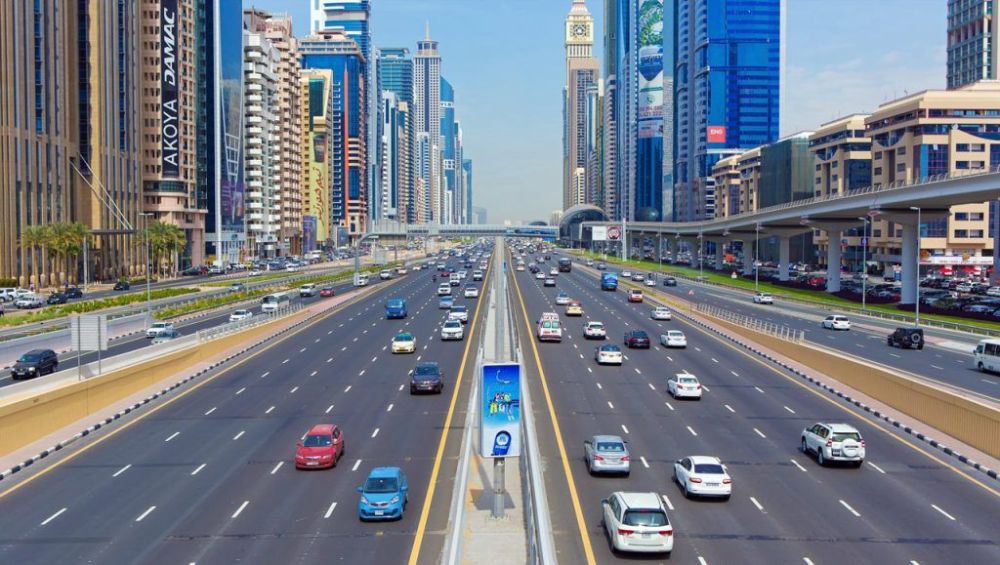
- Commuting times are shorter due to upgraded road networks
- Families prioritise larger homes and better value
- Lifestyle‑driven living is becoming more important than proximity
This shift supports both residents and long‑term investors, as demand spreads across multiple emirates.
Why Multi-Emirate Commuting In UAE Is Growing
The rise of multi‑emirate commuting is closely linked to the UAE’s strong population growth, expanding job market, and major infrastructure investments. As more people relocate to the UAE, housing demand is rising across all emirates, not just Dubai and Abu Dhabi.
The trend also reflects a maturing real estate market, where buyers and tenants have more choices and more flexibility.
Key reasons behind the shift
- Housing affordability in emerging emirates
- Larger homes and family‑friendly communities
- Improved transport connectivity
- Expanding job opportunities across the UAE
- Stronger lifestyle and community offerings
This trend aligns with the UAE’s long‑term development goals, including balanced growth, improved mobility, and sustainable urban planning. This shift is also influencing the broader real estate market in Dubai, as demand expands beyond central locations.
How Multi‑Emirate Commuting Works In UAE
The commuting pattern is simple: residents choose to live in one emirate for value and lifestyle, while working in another for career opportunities. Improved road networks and new mobility corridors make this possible.
How it works
- Resident chooses a home in Sharjah, Ajman, RAK, or Dubai South
- Daily commute to Dubai, Abu Dhabi, or Sharjah
- Access to major highways reduces travel time
- Families enjoy larger homes at lower prices
- Lifestyle and affordability drive long‑term decisions
This creates a smoother balance between work and home life, especially for families.
What Multi-Emirate Commuting In UAE Means for Residents
For residents, the biggest advantage is choice. Instead of being restricted to one emirate, they can now choose homes based on lifestyle, affordability, and long‑term comfort.
Key benefits for residents
- Access to larger homes
- Better value for money
- More community amenities
- Improved quality of life
- Flexibility to choose preferred emirate
This model is especially helpful for families, first‑time buyers, and long‑term residents.
Why Developers Benefit
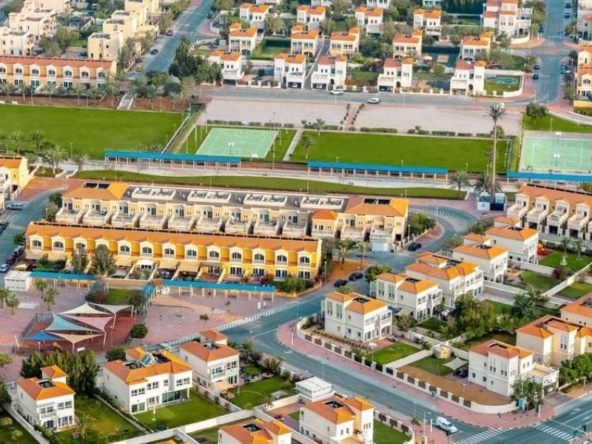
Developers across the UAE are responding to this trend by launching communities near major highways and inter‑emirate corridors. These locations attract strong demand from commuters.
Developer advantages
- Faster sales in suburban and emerging areas
- Higher demand for townhouses and villas
- More structured community planning
- Stronger buyer confidence in new locations
- Increased interest in large master‑planned projects
Developers are now designing communities that support modern commuting lifestyles.
Impact on the UAE Real Estate Market
The rise of multi‑emirate commuting is reshaping the broader market in several ways. As more residents choose to live outside major cities, demand is rising in emerging emirates and suburban districts.
Market‑wide impact
- Stronger demand in Sharjah, Ajman, and RAK
- More balanced growth across the UAE
- Higher interest in suburban communities
- Increased villa and townhouse demand
- Greater long‑term stability in housing supply
The UAE continues to position itself as a flexible, interconnected, and future‑ready real estate
Why Investors Are Watching Multi-Emirate Commuting In UAE
Investors see multi‑emirate commuting as a sign of long‑term growth. As demand spreads across the UAE, new investment opportunities are emerging in areas that were previously overlooked.
What this means for investors
- Strong rental yields in emerging emirates
- Lower entry prices with high growth potential
- More stable long‑term demand
- Increased interest from international buyers
- Better portfolio diversification
This trend strengthens the UAE’s position as one of the world’s most attractive real estate markets and is reshaping investment in Dubai, as investors look beyond traditional hotspots.
Top Areas Benefiting from Multi-Emirate Commuting In UAE
Multi‑emirate commuting is boosting demand in several key areas:
Sharjah
Modern communities like Aljada and Sharjah Sustainable City attract Dubai commuters.
Ajman
Affordable homes and easy access to Dubai and Sharjah.
Ras Al Khaimah
Coastal living with improved road connectivity.
Dubai South
Ideal for Abu Dhabi–Dubai commuters.
These communities are expected to see strong demand throughout 2026.
Future of Multi-Emirate Commuting In UAE
Multi-Emirate commuting is no longer a temporary trend; it is becoming a permanent part of how people choose homes in the UAE. As infrastructure improves and new communities launch across the country, residents will continue to prioritize lifestyle, value, and space over proximity alone.
This shift signals a more flexible, interconnected UAE, where every emirate plays a role in shaping the country’s real estate future.
Final Thoughts
The rise of multi‑emirate commuting marks a major evolution in how people live and work in the UAE. By choosing homes based on lifestyle and value, rather than proximity, residents are reshaping the country’s real estate landscape. With strong infrastructure, modern communities, and growing job opportunities, this trend will play a key role in shaping the UAE’s housing market in 2026 and beyond.
Explore the latest properties for sale in Dubai and nearby emirates to find the right opportunity.
1. What is multi‑emirate commuting?
It’s when residents live in one emirate and travel daily to another for work.
Because of better roads, more affordable housing, and new master‑planned communities
Sharjah, Ajman, RAK, and Dubai South see the highest commuter movement.
Families, first‑time buyers, and residents looking for larger, more affordable homes.
Yes, it increases demand in suburban and emerging emirates.
Developers are building more communities near major highways and inter‑emirate routes.
Yes, upgraded road networks have reduced travel times significantly.
It opens new investment hotspots with strong rental yields and lower entry prices.
Better value, bigger homes, quieter communities, and lower living costs.
Yes, it’s becoming a long‑term lifestyle pattern across the UAE.


 WhatsApp