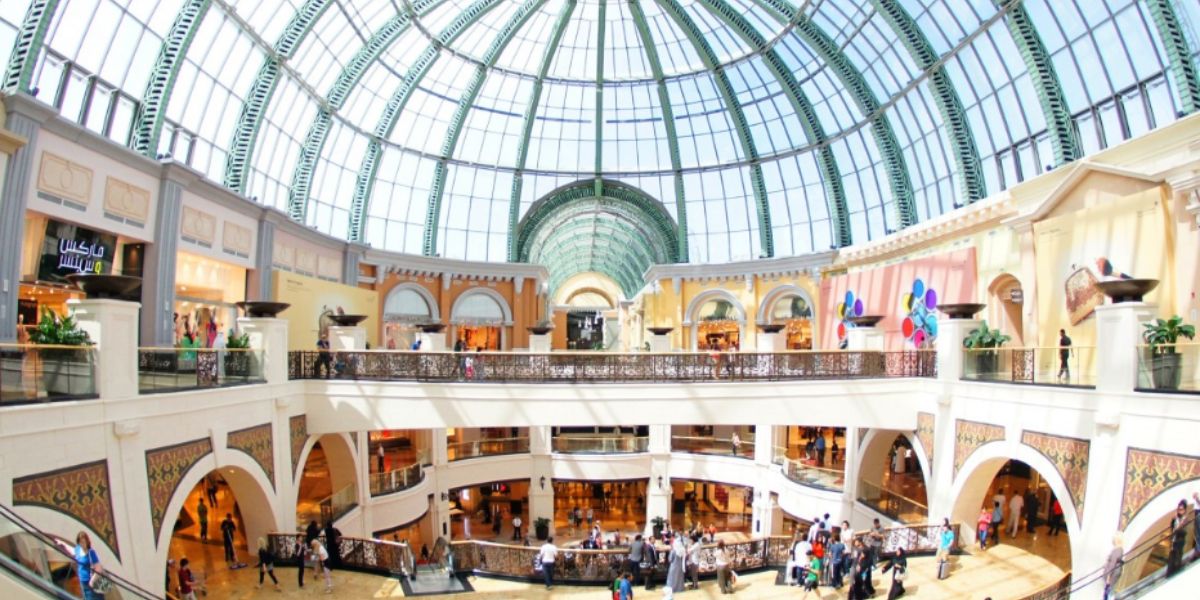
Retail‑shaped communities are emerging as one of the most natural lifestyle shifts in the UAE, quietly reshaping how people choose homes and how neighborhoods form their identity. At their core, these are communities built around a single retail anchor, a gourmet market, a boutique plaza, a wellness hub, or a curated high street that becomes the heart of daily life. As a result, retail is no longer an add‑on; instead, it becomes the center of movement, connection, and convenience. Today, retail‑shaped communities in Dubai are becoming increasingly popular among buyers, investors, and families seeking convenience‑driven lifestyles.
Ultimately, this shift reflects how people in Dubai want to live: close to the things they enjoy, surrounded by familiar spaces, and supported by a neighborhood that feels alive. For this reason, this blog takes a closer look at how retail‑shaped communities are evolving and why they are becoming a preferred choice for modern residents.
Why Retail-Shaped Communities in Dubai Are Becoming Community Centres
In many of Dubai’s modern neighborhoods, the community no longer places retail at the edge. It sits at the center, shaping how people move through their day. A well‑designed retail anchor naturally becomes a gathering point. Residents stop by for coffee, pick up groceries, meet friends, or simply walk through the plaza on their way home. Over time, the activity creates a rhythm that defines the neighborhood.
A retail anchor can be small or large. It might be a specialty supermarket, a cluster of boutique cafés, a wellness‑focused plaza, or a mixed‑use strip with dining and co‑working spaces. What matters is not the size, but the role it plays. It becomes the place where people pause, connect, and feel part of something familiar.
Why Retail Shaped Communities in Dubai Are Growing in Popularity
Dubai’s population is expanding, and residents are becoming more intentional about where they live. Convenience is no longer a luxury; it is an expectation. Retail‑shaped communities respond to this shift by offering a lifestyle where daily needs are within walking distance. This shift is reshaping how people choose homes because, more importantly, it highlights how strongly convenience now influences modern living.
Several forces are shaping this trend:
- People want neighborhoods that feel active and connected.
- Additionally, walkability is becoming a key part of modern living.
- Residents prefer communities where they can run errands without long drives.
- Moreover, social spaces around retail create natural meeting points.
- Homes near strong retail clusters tend to hold value better over time.
Demand for apartments for sale in Dubai continues to rise in communities that offer easy access to retail hubs, dining destinations, and everyday conveniences.
This blend of convenience and lifestyle, therefore, is making retail-shaped communities one of the most desirable living patterns in the UAE.
How Retail Shaped Communities in Dubai Create Unique Neighbourhood Identities
Retail has a unique ability to influence how a community feels. A neighborhood built around a gourmet market has a different character from one built around a wellness hub or a boutique dining strip. In many cases, these anchors create microcultures that attract specific types of residents.
A few examples show how this identity forms:
- For instance, a community with an organic market becomes a natural fit for wellness‑focused families.
- Similarly, a district with boutique cafés and co‑working lounges attracts young professionals.
- Likewise, a neighborhood with a curated dining strip becomes a social destination.
- Meanwhile, a plaza with fitness studios and wellness clinics creates a health‑centric lifestyle zone.
Over time, these anchors shape the personality of the district. They influence who chooses to live there, how people spend their evenings, and what the community becomes known for.
The impact on property value and long‑term demand
Retail‑shaped communities tend to perform well in both rental demand and long‑term appreciation. High-quality retail clusters often command a premium for homes nearby, as they provide a unique advantage that amenities alone cannot replicate: daily convenience.
Several factors contribute to this value:
- Walkability increases the appeal of the neighborhood.
- Rental occupancy is typically stronger near retail anchors.
- Resale performance improves when the community has a clear identity.
- Local businesses thrive, creating a more vibrant environment.
- The area attracts a wider range of residents, from families to professionals.
This makes retail-shaped communities attractive to both end-users and investors looking for stability.
Buyers interested in these lifestyle-focused neighbourhoods can explore our latest properties for sale in Dubai to discover communities built around retail, convenience, and walkability.
How developers are designing around retail
Developers in Dubai are increasingly placing retail at the center of their master plans. Instead of adding shops later, they design the community around a retail spine or plaza from the beginning. This creates a more integrated environment where homes, parks, and mobility routes naturally connect to the retail hub.
Emerging design patterns include:
- Central plazas surrounded by residential clusters
- Retail promenades linked to cycling and walking paths
- Community squares designed for events and weekend markets
- Mixed‑use buildings that combine retail, co‑working, and residential spaces
This approach creates neighborhoods that feel more human, more walkable, and more aligned with modern living.
Many new off-plan properties in Dubai are now being launched within mixed-use master communities where retail, leisure, and residential spaces are carefully integrated.
The Future of Retail Shaped Communities in Dubai
As Dubai continues to grow, retail‑shaped communities will play a larger role in how people choose homes. They offer a lifestyle that blends convenience, social connection, and daily comfort. They also create neighborhoods that feel alive, places where people gather, interact, and build a sense of belonging.
This shift marks a move away from large, spread-out master plans toward more intimate districts with a clear identity. It reflects how residents want to live today: close to the things they enjoy, connected to their community, and supported by spaces that make everyday life easier.
Final thoughts
Retail‑shaped communities represent a natural evolution in the way neighborhoods are designed and how people experience daily life in the UAE. They bring together convenience, social energy, and a sense of place in a way that feels effortless and modern. As Dubai
According to the Dubai property market reports published by the Dubai Land Department, mixed-use communities continue to play an important role in attracting both residents and investors.
FAQs
A neighborhood built around a central retail hub that, as a result, becomes the main point of daily activity.
People want walkable access to cafés, markets, and services; therefore, long drives are no longer preferred.
Yes. Homes near strong retail clusters usually see better demand and long‑term stability, consequently boosting value.
Gourmet markets, boutique cafés, wellness hubs, dining strips, and mixed‑use plazas.
They are, because they offer convenience, walkability, and safe social spaces.
They place retail at the center and design homes, parks, and pathways around it.
Not necessarily. Prices vary, but homes near excellent retail usually hold value better.
Families, young professionals, and anyone who values walkability and convenience.
Well‑planned communities manage noise through layout and landscaping.
Yes. Even one strong retail plaza can define a neighborhood’s character



 WhatsApp