
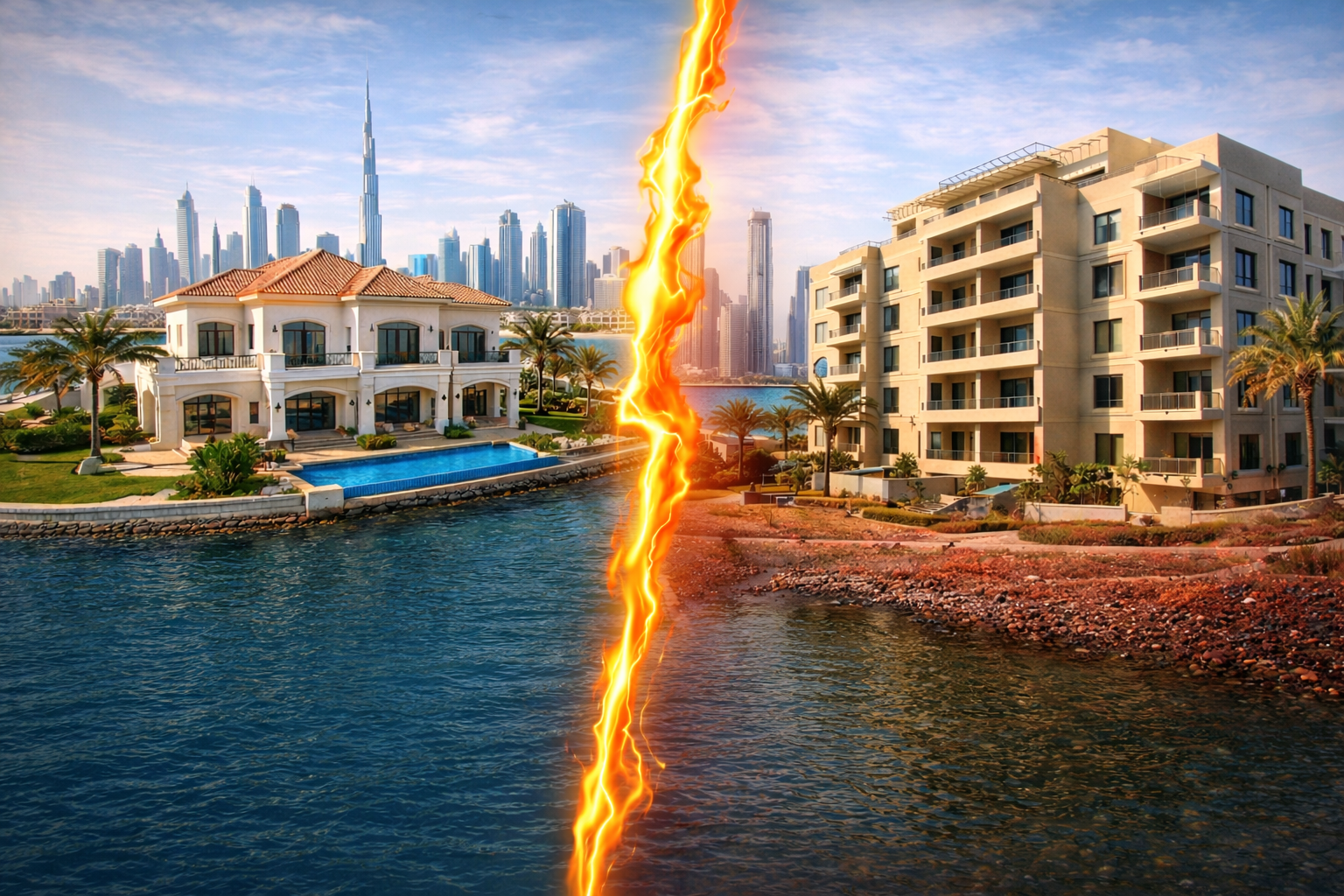
Dubai has become one of the world’s most attractive real estate markets. Investors, expats, and residents continue to buy property in the city because of strong infrastructure, tax advantages, and high rental demand. However, before purchasing real estate, buyers must understand what is a freehold vs leasehold property in Dubai.
Property ownership in the emirate follows two main structures: freehold property ownership in Dubai and leasehold property in Dubai. Each model provides different rights, responsibilities, and long-term benefits. Therefore, understanding these ownership types helps investors make informed decisions before entering the Dubai property market.
This guide explains what is a freehold vs leasehold property, how both ownership structures work, and which option may suit your investment goals.
Understanding Freehold vs Leasehold Property Dubai Ownership
Before exploring the differences, it is important to understand how property ownership in Dubai is regulated. The emirate introduced foreign property ownership laws in the early 2000s, allowing international buyers to invest in designated areas.
Today, property registration and ownership are regulated by the Dubai Land Department. The authority ensures that all real estate transactions follow legal procedures and that buyers receive official title deeds.
As a result, investors must choose between freehold vs leasehold property in Dubai when purchasing real estate.
What Is a Freehold Property in Dubai?
To understand what is a freehold vs leasehold property, we should first look at freehold ownership.
A freehold property in Dubai gives the buyer full ownership of both the property and the land it stands on. Once the purchase is completed, the owner has complete control over the asset.
This means the owner can:
- Sell the property at any time
- Lease the property to tenants
- Renovate or modify the property within regulations
- Pass the property to heirs through inheritance
Freehold ownership offers long-term security because the ownership rights do not expire. Additionally, the property is registered with the Dubai Land Department and the buyer receives a title deed confirming full ownership.
Many investors prefer freehold property ownership in Dubai because it allows flexibility and long-term capital appreciation.
What Is a Leasehold Property in Dubai?
The second ownership model is leasehold property in Dubai.
In a leasehold arrangement, the buyer does not own the land. Instead, they obtain the right to use and occupy the property for a fixed period. This period usually ranges between 10 and 99 years.
Although leasehold buyers can live in or rent out the property, their rights are limited compared to freehold owners. When the lease period ends, ownership typically returns to the landowner unless the lease is renewed.
Leasehold ownership often appeals to buyers looking for lower entry costs. However, modifications or structural changes may require approval from the landowner.
Therefore, understanding what is a freehold vs leasehold property becomes essential before making any investment decision.
Key Differences Between Freehold and Leasehold Property Dubai
The main difference between freehold vs leasehold property in Dubai lies in ownership rights.
Freehold ownership offers permanent control of the property and the land. In contrast, leasehold ownership grants usage rights for a limited time.
Here are some of the key distinctions:
Ownership Rights
- Freehold: Full ownership of property and land
- Leasehold: Ownership of the property only for a fixed term
Control and Modifications
- Freehold: Owners can renovate or modify the property within community regulations
- Leasehold: Structural changes may require approval from the freeholder
Ownership Duration
- Freehold: Permanent ownership
- Leasehold: Fixed lease term, typically up to 99 years
Investment Value
- Freehold: Strong long-term appreciation potential
- Leasehold: Lower entry cost but limited ownership duration
Because of these differences, buyers must evaluate their investment objectives carefully when deciding what is a freehold vs leasehold property.
Popular Freehold Areas in Dubai
Dubai offers several designated communities where foreign investors can purchase freehold property.
Some of the most well-known freehold areas include:
- Dubai Marina
- Palm Jumeirah
- Downtown Dubai
- Dubai Hills Estate
- Arabian Ranches
- Jumeirah Village Circle
These communities attract international investors because they offer modern infrastructure, lifestyle amenities, and strong rental demand.
Many of these communities feature premium off-plan apartments in Dubai, offering flexible payment plans and strong investment potential.
Leasehold Areas in Dubai
Although freehold properties dominate the market, some areas still operate under leasehold ownership.
Leasehold properties are commonly found in established neighborhoods such as:
- Jumeirah
- Al Barsha
- Umm Suqeim
- Deira
These areas often appeal to residents who prefer central locations and traditional communities.
Legal Framework for Property Ownership
Dubai’s property ownership system is supported by clear legal frameworks.
Freehold ownership is governed by Dubai Law No. 7 of 2006, which allows UAE nationals, GCC citizens, and foreign investors to own property in designated areas.
Meanwhile, leasehold arrangements are linked to tenancy regulations under Dubai Tenancy Law (Law No. 26 of 2007). This law outlines tenant rights, lease durations, and renewal conditions.
These regulations provide transparency and legal protection for both buyers and investors.
Which Option Should Buyers Choose?
Choosing between freehold vs leasehold property in Dubai depends largely on investment goals.
Buyers may prefer freehold ownership if they want long-term security and full control over the property. Freehold properties also allow owners to sell, lease, or pass the asset to heirs.
On the other hand, leasehold property in Dubai may suit buyers looking for a lower upfront investment or a shorter ownership horizon.
Therefore, buyers should consider their financial goals, investment timeline, and lifestyle preferences before deciding.
Final Thoughts
Understanding what is a freehold vs leasehold property is essential for anyone planning to buy real estate in Dubai. Both ownership models offer unique advantages depending on the buyer’s goals.
Freehold properties provide permanent ownership, greater control, and strong investment potential. Meanwhile, leasehold properties offer a lower entry cost and access to certain established neighborhoods.
However, buyers must evaluate ownership rights, duration, and long-term value before making a decision. With the guidance of professional real estate advisors and proper knowledge of property ownership in Dubai, investors can confidently navigate the market and choose the option that best suits their needs.
FAQs
Yes, foreign investors can purchase freehold property in designated areas such as Dubai Marina, Downtown Dubai, and Palm Jumeirah.
Leasehold ownership typically lasts between 10 and 99 years, depending on the lease agreement with the landowner.
Freehold property provides permanent ownership, while leasehold property offers usage rights for a fixed period. The best option depends on investment goals and budget.


 WhatsApp